A U.S. proposal to link development aid to access to mineral resources in Zambia has triggered a wave of criticism among health and human rights circles, amid warnings over its potential impact on the country’s public health sector.
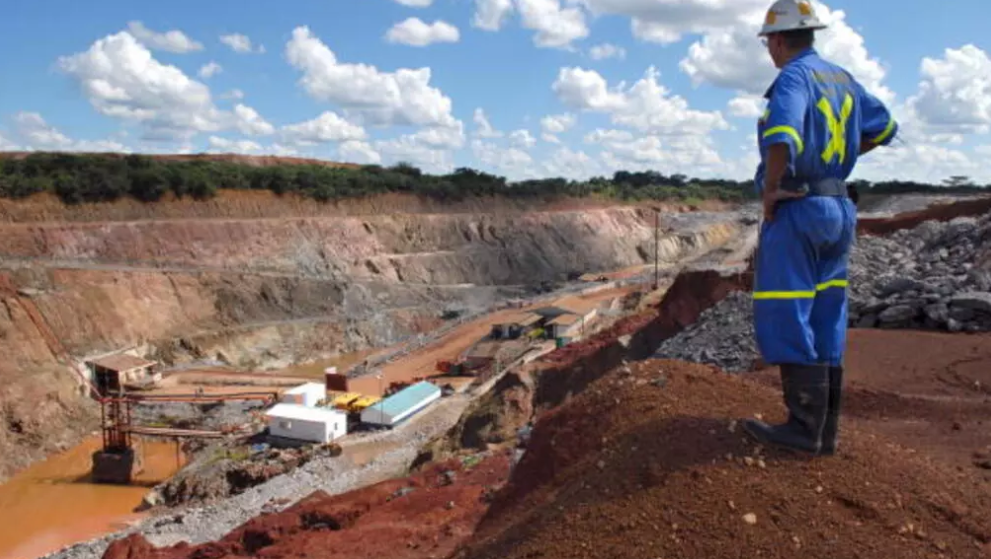
According to an announcement by the The White House, the United States has pledged to invest around $320 million in Zambia’s health system in 2026. However, this support is conditional on Zambia signing a bilateral agreement that includes provisions granting access to its mineral resources—particularly copper and cobalt, two key assets in the southern African nation.
In response, several health-sector activists condemned the proposal, describing it as an “aggressive attempt” to gain control over natural resources and characterizing it as a form of political and economic coercion.
Healthcare workers also expressed shock at the move, rejecting what they called “financial blackmail” tied to funding for critical programs, particularly those targeting HIV/AIDS, tuberculosis, and malaria.
Meanwhile, Asia Russell, head of the NGO Health GAP, revealed details of the memorandum of understanding between the two sides. She noted that the agreement explicitly states that failure by Zambia to comply with the linkage between aid and mineral access would result in the cancellation of funding allocated to public health programmes.
Russell added that Zambia’s wealth in copper and cobalt makes it a target for such agreements, but warned of the dangers of “unequal negotiations,” particularly when sensitive sectors like health are involved. “Diseases know no borders, and manipulating this sector harms everyone,” she said.
Neighboring Zimbabwe recently rejected a similar agreement with the United States, stressing that development aid should not be used as a tool to secure strategic gains or exploit national resources.