
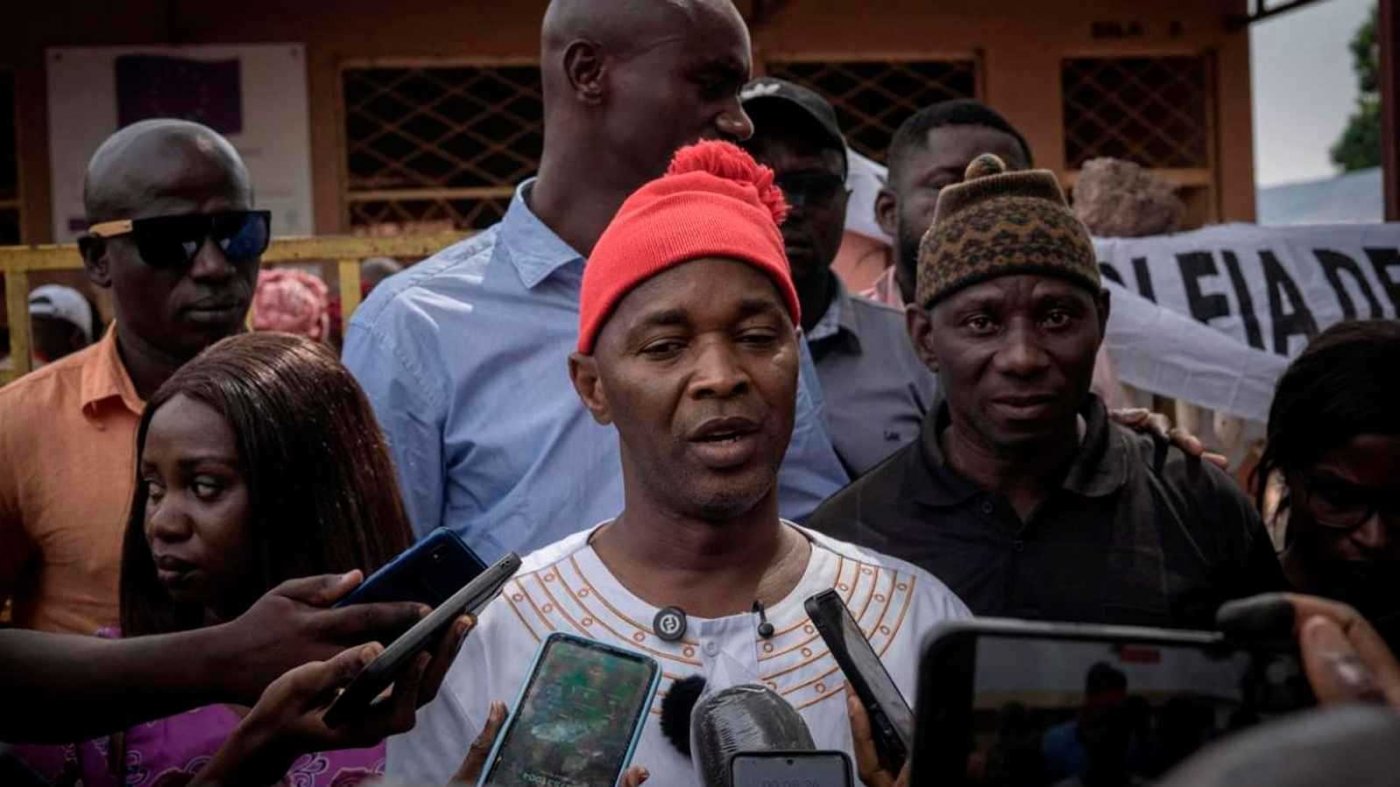
Nigeria has granted protection to Guinea-Bissau’s opposition presidential candidate, Fernando Dias, inside its embassy in Bissau following the military coup that overthrew the country’s elected authorities. In a statement issued on 30 November, the Nigerian Ministry of Foreign Affairs said President Bola Tinubu approved the request after “imminent threats” to Dias’s life emerged, while calling on the ECOWAS Stabilisation Force to deploy troops to help secure the country.
The move coincides with intensified diplomatic efforts by West African states, led by Sierra Leone’s President Julius Maada Bio, to persuade the military officers who seized power to step down. During a tense meeting on Monday, ECOWAS negotiators pressed the coup leaders to allow the announcement of the disputed presidential election results.
Sierra Leone’s Foreign Minister, Timothy Musa Kabba, said ECOWAS “demands the restoration of constitutional order and the logical completion of the electoral process,” noting that the country’s political future will be discussed at the ECOWAS Heads of State and Government summit on 14 December, where sanctions against the junta remain a possibility.
Meanwhile, Major Horta Inta-A, installed by the military as interim president, claimed the coup was necessary to prevent what he described as a “plot by drug traffickers to capture democracy,” pledging a one-year transitional period.
Fernando Dias, 47, stated that he had been on track to win the 23 November election before the army intervened. The opposition coalition described the coup as a “desperate attempt” by President Umaro Sissoco Embaló and his allies to block the release of electoral results that they say would have confirmed Embaló’s defeat.
With the military tightening its grip on power, all protests and strikes have been banned, with authorities claiming they threaten “peace and stability.” The decision followed demonstrations in Bissau last Saturday, where hundreds of young people demanded the release of opposition leaders and the publication of election results.
The coup marks the latest episode in a long history of political instability in Guinea-Bissau, a country known as a major hub for cocaine trafficking and frequent military interference in governance.